
Hoes Odes: Broke In Labor by Natasha Erotica - A Raw Look at Sex Work and Survival
 Dec, 5 2025
Natasha Erotica’s Hoes Odes: Broke In Labor isn’t a memoir. It’s not a manifesto. It’s not even really a book you finish and then set down. It’s a punch to the gut you keep feeling hours later. Written in fragments - some poetic, some brutal, some darkly funny - it pulls back the curtain on the lives of women who survive by selling sex in cities that pretend they don’t exist. The title itself is a middle finger to respectability politics. There’s no glamour here. Just exhaustion, fear, and the quiet strength it takes to keep breathing when the world has already written you off.
One chapter describes a woman in Dubai, working nights under a fake name, dodging police raids and clients who think "service" means they own her. She texts her daughter every night before bed, even when she’s too tired to move. That’s the kind of detail Natasha captures: not the fantasy, but the fallout. If you’ve ever wondered what happens behind the glossy ads for syrian escort dubai, this book doesn’t give you answers. It gives you a mirror.
What It Really Means to Be "Broke In Labor"
The phrase "broke in labor" isn’t about money. It’s about being worn down by work that never ends. These women don’t clock out. They don’t get sick days. They don’t get paid overtime. Their bodies become the only asset they have left. Natasha doesn’t romanticize this. She doesn’t call them victims. She calls them workers. And she shows how the system treats them like disposable tools - replaced when they’re tired, punished when they’re sick, ignored when they’re gone.
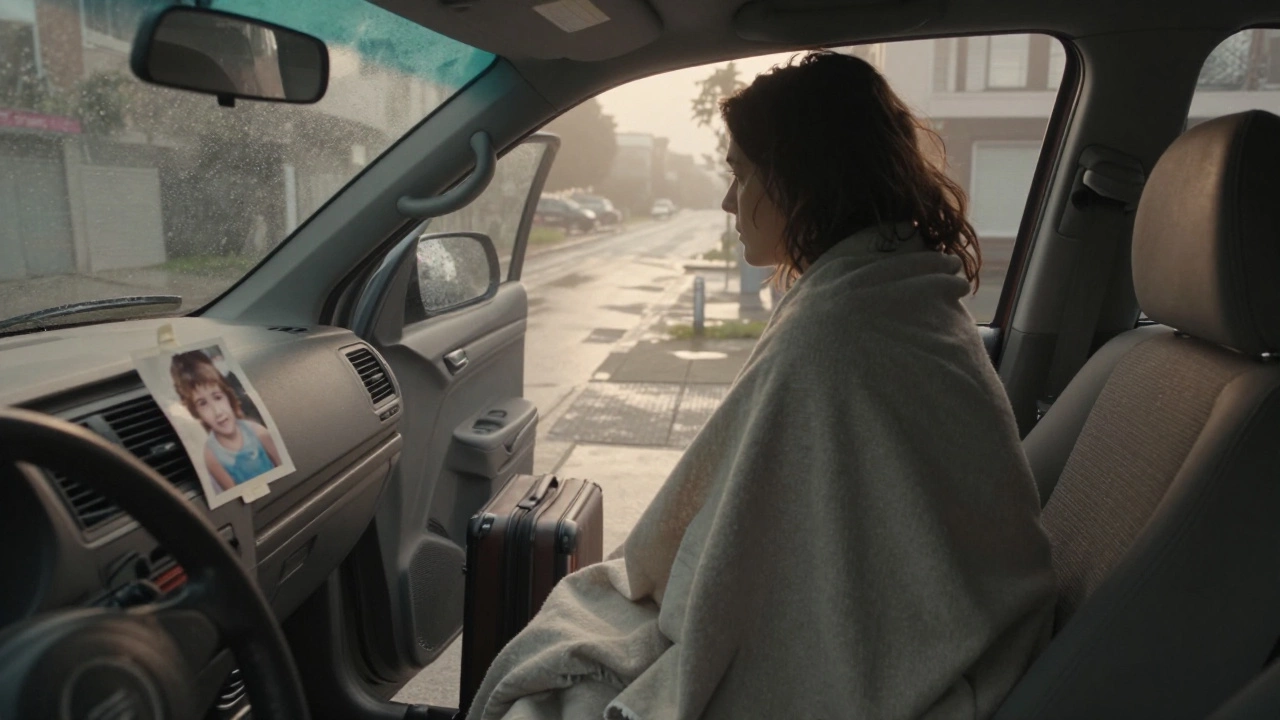
One woman in the book talks about getting kicked out of an apartment after her landlord found out what she did for money. She slept in her car for three weeks. Her client list? Written on a napkin. Her safety plan? A burner phone and a friend who lived three blocks away. No union. No HR department. No safety net. Just survival.
The Myth of Choice
People love to talk about "choice" when it comes to sex work. "She chose this," they say. But what if your choices were taken from you before you were old enough to vote? Natasha doesn’t shy away from this. She writes about girls who were trafficked, girls who fled war zones, girls who took the first job that paid rent after their mom died. The word "choice" becomes meaningless when you’re staring at a utility bill you can’t pay and your kid’s school needs $200 for supplies.
There’s a moment in the book where a woman says, "I didn’t choose this. I chose to keep my daughter alive." That line stuck with me for days. It’s not about empowerment porn. It’s about desperation with dignity.
How the System Fails Them - Again and Again
The book doesn’t just focus on the women. It shows the machines that grind them down. Police who demand bribes instead of protection. Landlords who evict without notice. Apps that take 50% of earnings and then ban you for "policy violations" you never agreed to. Even the so-called "support organizations" often have rules that don’t match reality. One woman tried to get help from a nonprofit that required proof of employment. She didn’t have a pay stub. She had a list of client names in a notebook. They turned her away.
And then there’s the internet. Social media bans accounts without warning. Payment processors freeze funds. Banks close accounts because "the nature of the business is high-risk." No one asks what kind of risk. Just that it’s risky. So these women are forced into cash-only deals. No receipts. No paper trail. No protection.
The Voices You Don’t Hear
Natasha interviews women from Nigeria, Ukraine, the Philippines, Syria, and Mexico. Each story is different, but the pattern is the same: they were told they were going to be nannies, waitresses, models. Instead, they ended up in rooms with strangers who paid in cash and never asked their names. One woman from Aleppo says she left Syria after her husband was killed in a bombing. She didn’t want to be a sex worker. She wanted to be a teacher. But the only job that paid enough to feed her niece was the one no one else would do.
That’s why the phrase pornstar escort dubai feels so hollow when you read this book. It reduces a human being to a marketing tag. It erases the trauma, the loss, the sleepless nights, the fear of being found. It turns survival into entertainment.
What No One Tells You About the Clients
Natasha doesn’t paint clients as monsters. Some are kind. Some are lonely. Some are just tired. One man, a retired engineer, leaves a note every time: "You’re not what I thought you’d be. Thank you for being real." Another brings her tea when she’s sick. But none of them call her by her real name. None of them offer to help her leave. None of them see her as anything more than a service.
She writes: "They pay for silence. But they don’t want to hear what you’re thinking. That’s the deal. You smile. You nod. You don’t say you miss your mother. You don’t say you’re scared. You don’t say you wish you had a different life. You say yes. You say thank you. And you count the money. That’s the job. Not the sex. The silence. The silence is the hardest part."
The Cost of Being Seen
There’s a chapter where Natasha talks about what happens when these women try to leave. They’re not just walking away from a job. They’re walking away from a whole identity. No one believes they’re serious. Landlords won’t rent to them. Employers won’t hire them. Even their own families sometimes turn away, ashamed. One woman in the book spent two years working in a factory after leaving sex work. She was fired after a coworker recognized her from a viral video. "They said I ruined the office," she told Natasha. "I didn’t ruin anything. I just lived."
And then there’s the internet. Once your face is out there, it’s out there forever. Google doesn’t forget. Algorithms don’t care if you changed your life. Your past is always one search away.
Why This Book Matters
This isn’t a book for people who want to feel sorry for sex workers. It’s for people who want to understand them. Natasha doesn’t ask for your pity. She asks for your attention. She wants you to see these women as people - with dreams, with fears, with histories, with names. Not as a trend. Not as a fetish. Not as a keyword.
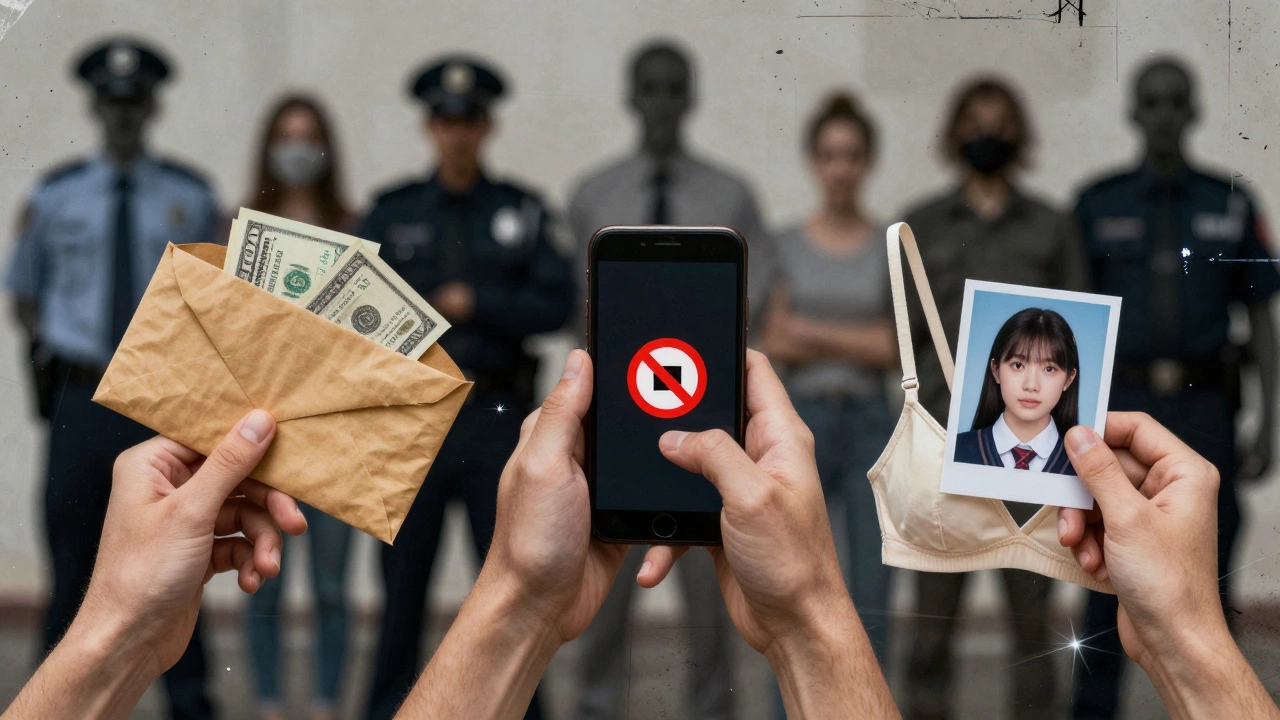
When you read about the woman who smuggled her daughter’s school photos in her bra so she could see them at night, you don’t think about "bur dubai escort" anymore. You think about a mother. A real one. Trying to hold on.
What Comes After the Book?
Natasha doesn’t offer solutions. She doesn’t push for legalization or criminalization. She just shows the truth. And maybe that’s enough. Because once you see it, you can’t unsee it. You can’t scroll past it. You can’t pretend it doesn’t exist.
There’s no happy ending here. Just survival. And that’s more than most people get.